

Island walks on Nusa Penida and Lembongan
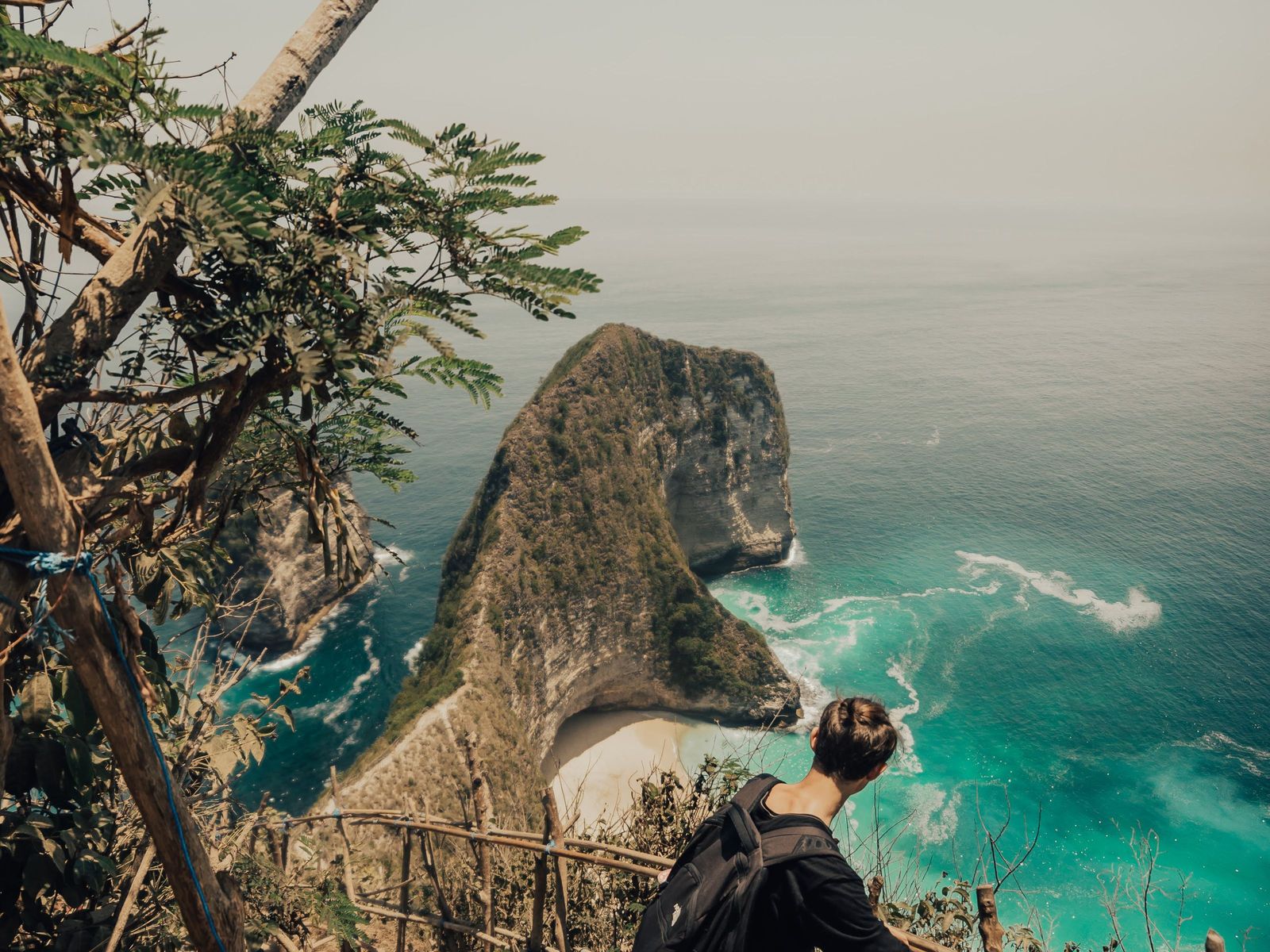
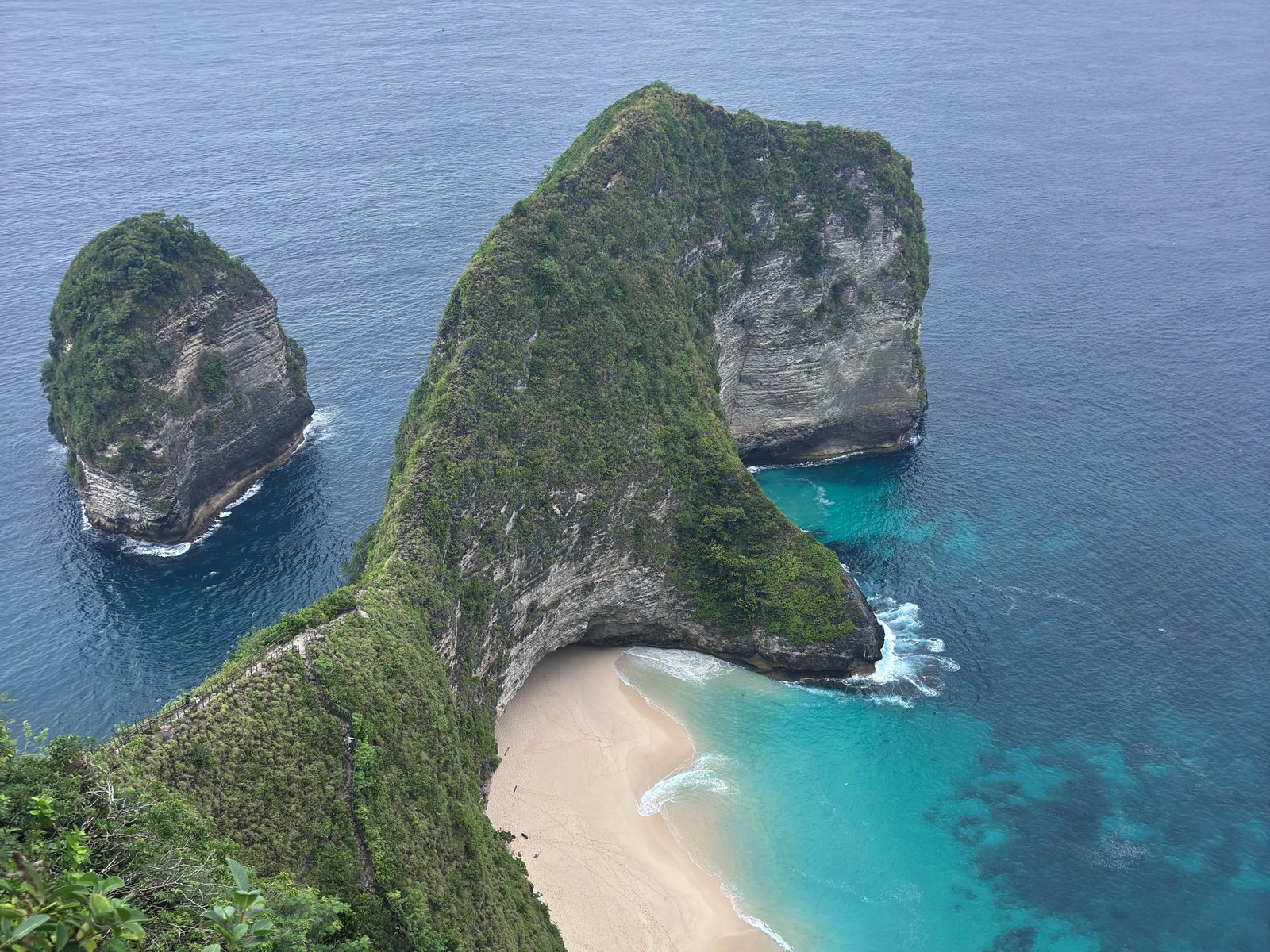
Kelingking at First Light
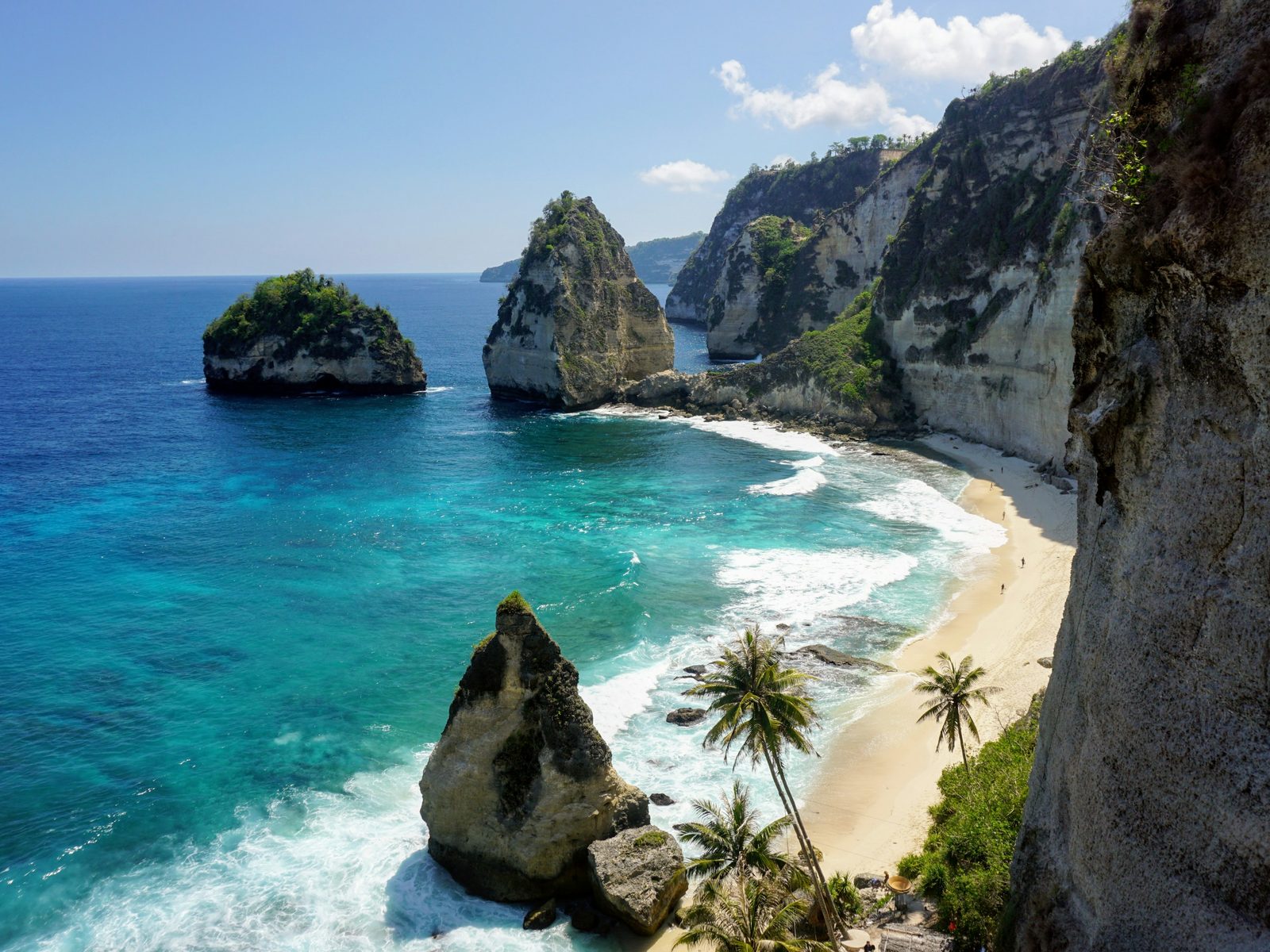
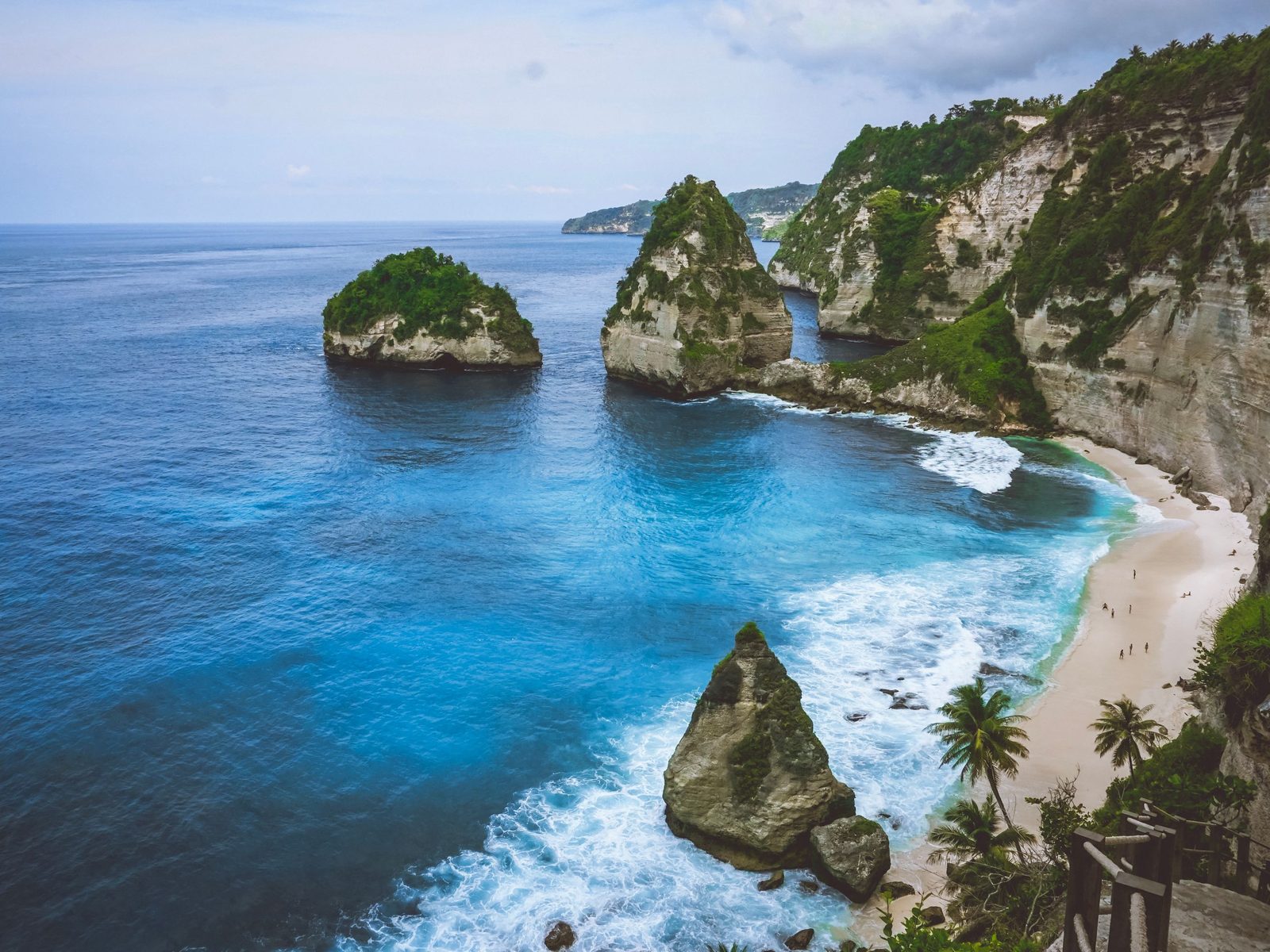
Diamond Beach and Atuh at Sunrise
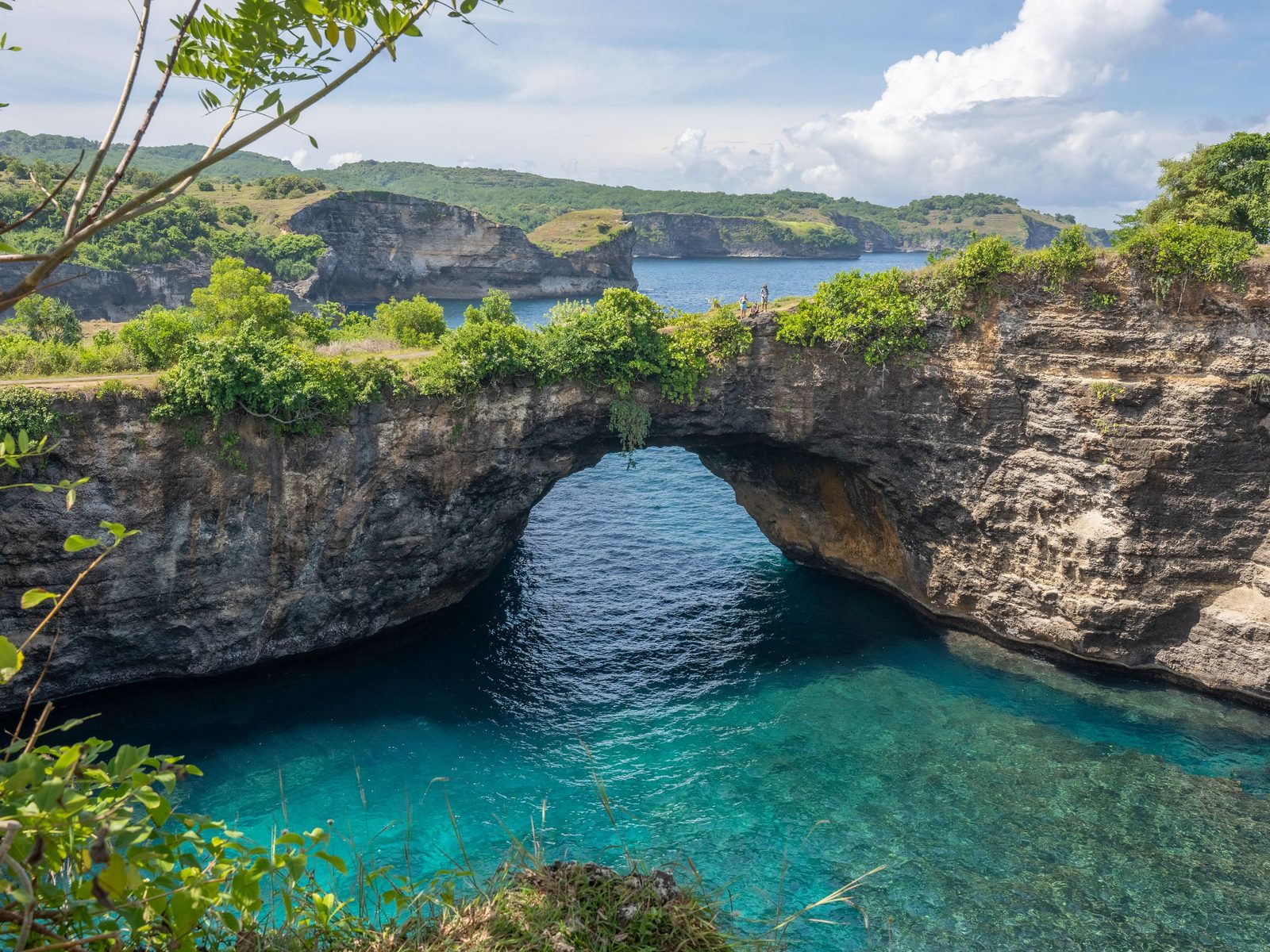
Broken Beach and Angel's Billabong at Golden Hour
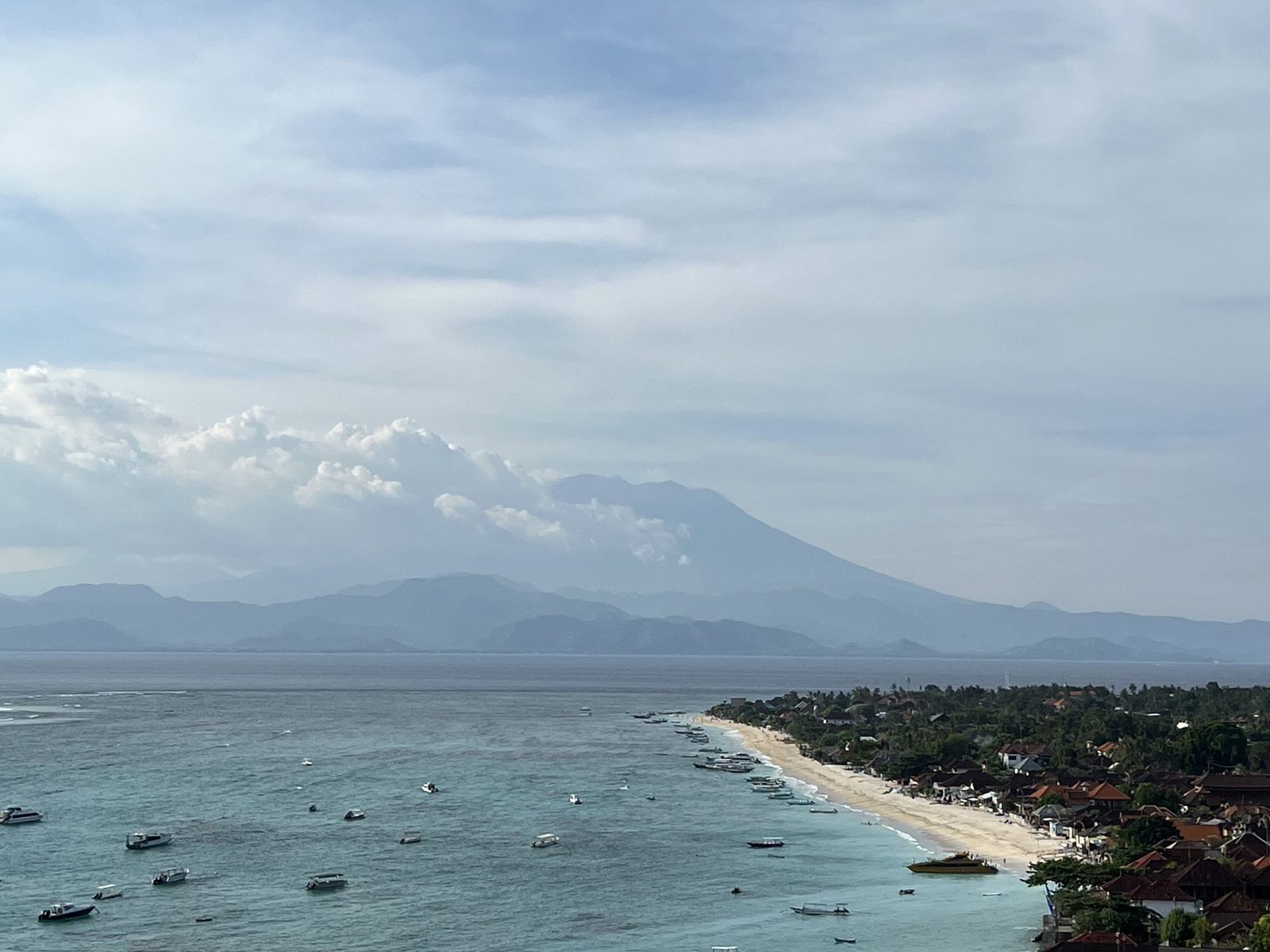
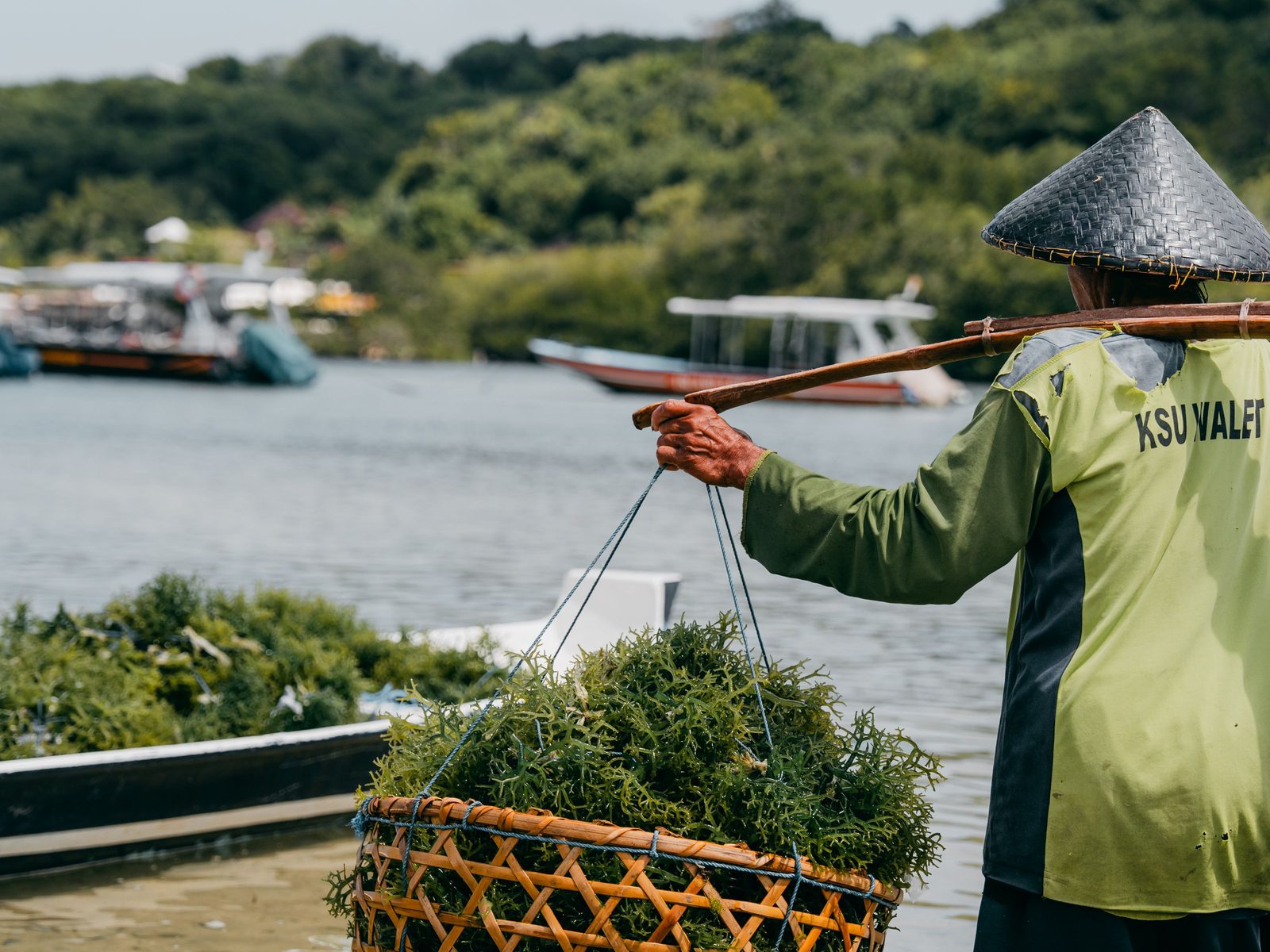
Lembongan and Ceningan, a Morning on Foot
When the islands are quiet
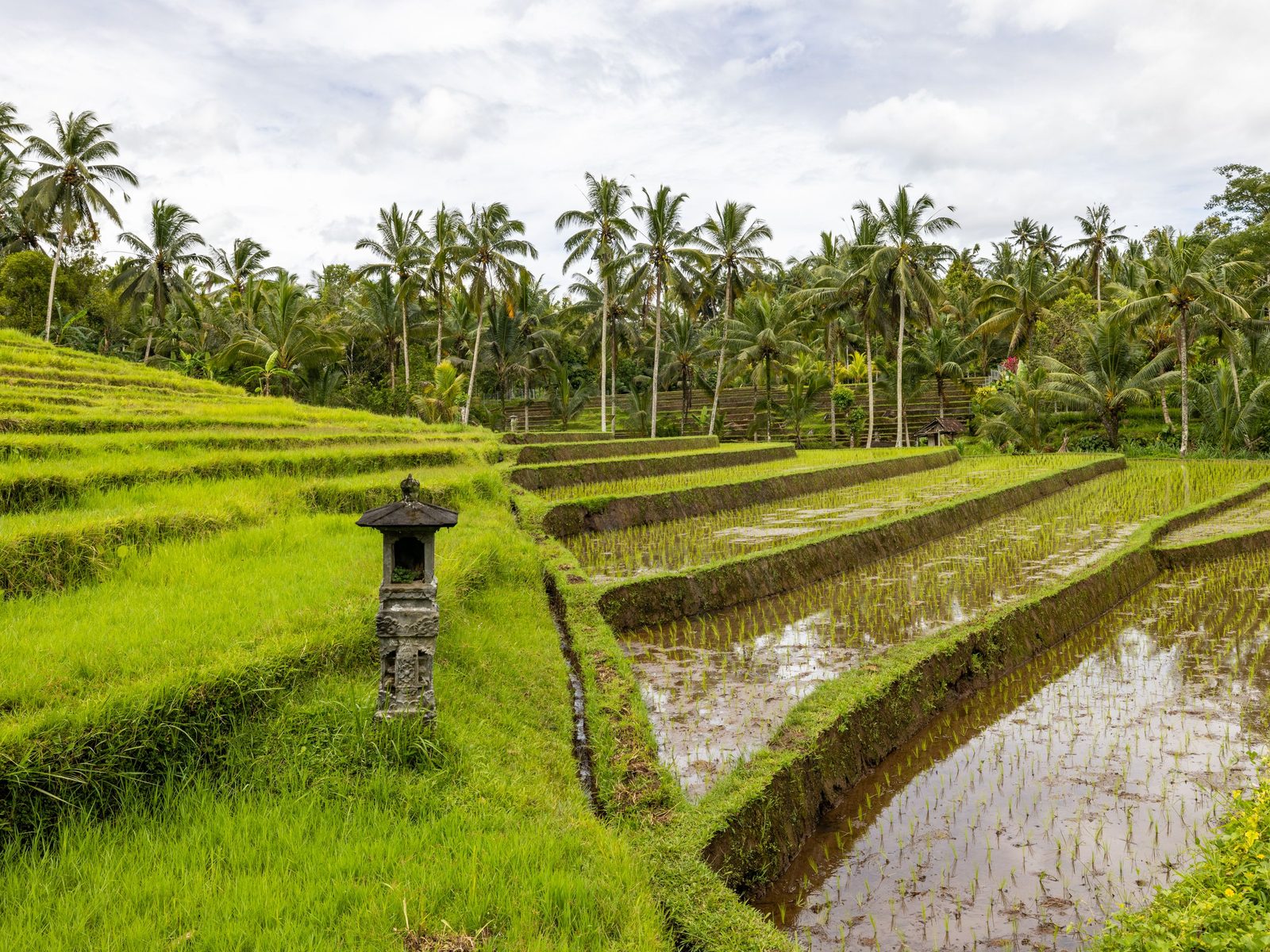
What the walking is like
Frequently asked questions
For fit, sure-footed people on a dry day, with a guide, yes, but it is steep and serious. Most people take 30 to 45 minutes down and longer back up. We do not go down after rain, and we never swim at the bottom: the shore break is heavy and there is a strong rip.
We advise against it. Nusa Penida's roads are narrow, steep and in places broken, and scooter accidents among visitors are common. Every trip includes a private car and a driver who knows the roads.
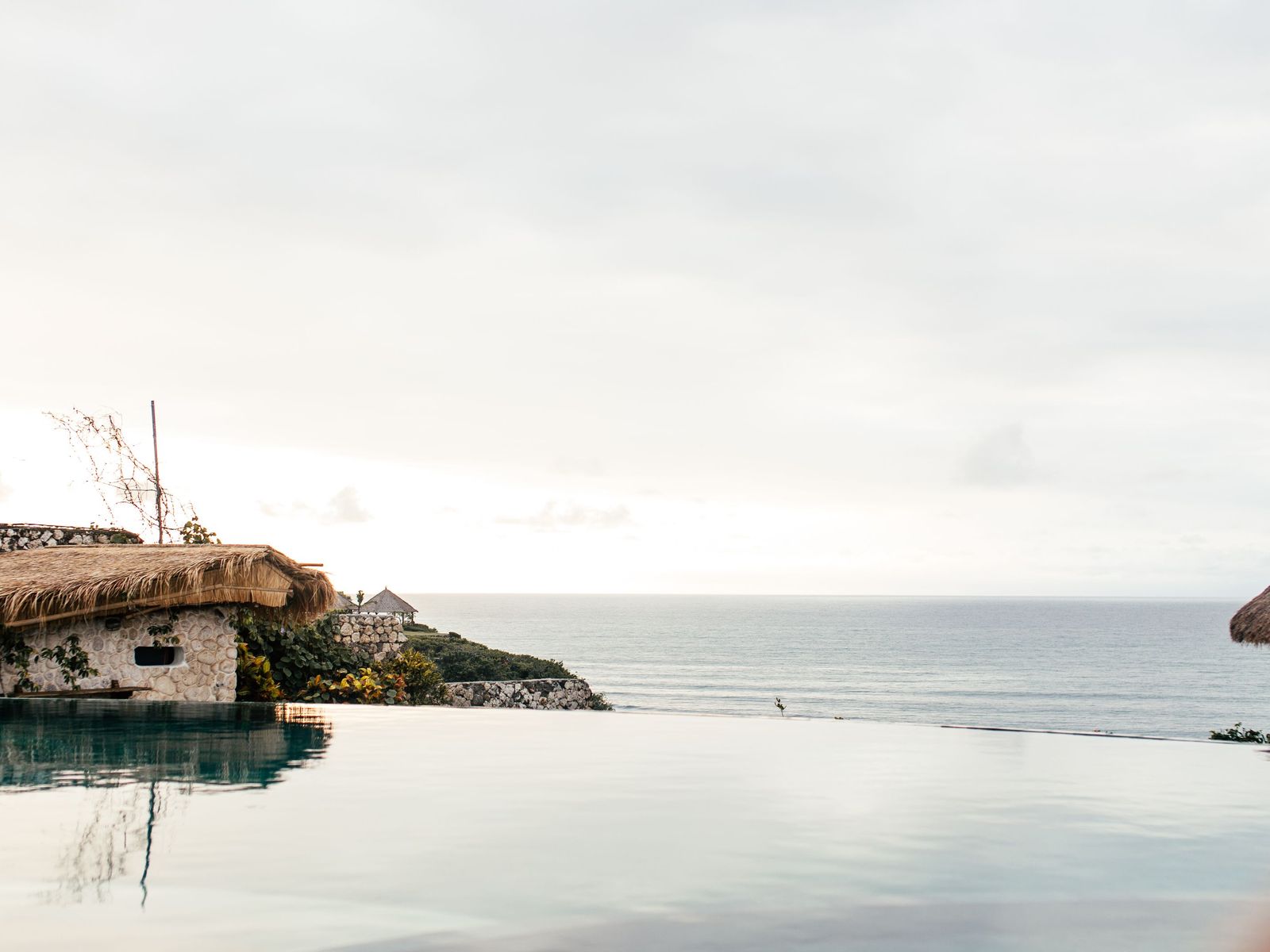
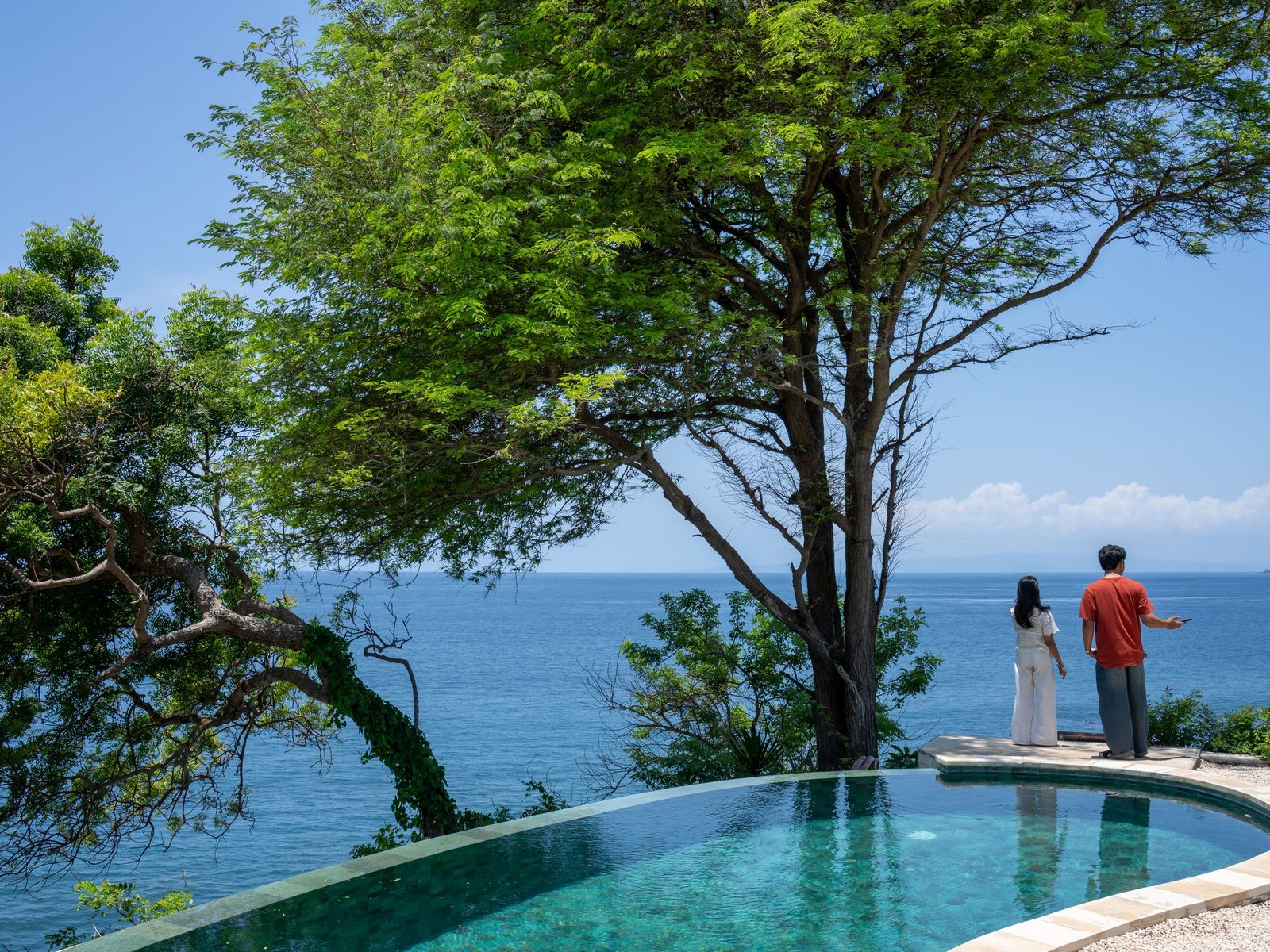
The north and west coasts are closest to the harbours and the best-known viewpoints. The east coast is quieter, with cliff-top villas facing the sunrise. Nusa Penida has only a handful of truly high-end places to stay; when they are full, Nusa Lembongan, 15 minutes away by boat, makes a comfortable base.
There are a few ATMs, mostly around Sampalan and the harbours, and they sometimes run out. Villas and larger restaurants take cards; small warungs and coconut stalls want cash. Mobile signal is good in most places and patchy on some cliffs.
No. Drink bottled or filtered water. We carry plenty in the car, and many villas have refill stations for your own bottle.
Cover your shoulders and knees. We provide a sarong and sash, which are worn at every temple, whatever your clothes.
Walk around offerings on the ground rather than over them, do not point your feet at shrines, and never climb on temple walls or statues. Custom asks women who are menstruating not to enter temples; nobody will ask, and we mention it so you can decide.
Ceremonies are common, and they can close parts of a temple or slow the roads. They are also often the most memorable part of a visit. Your guide will explain what is happening and where you can stand.