

Private days on Nusa Penida and Bali
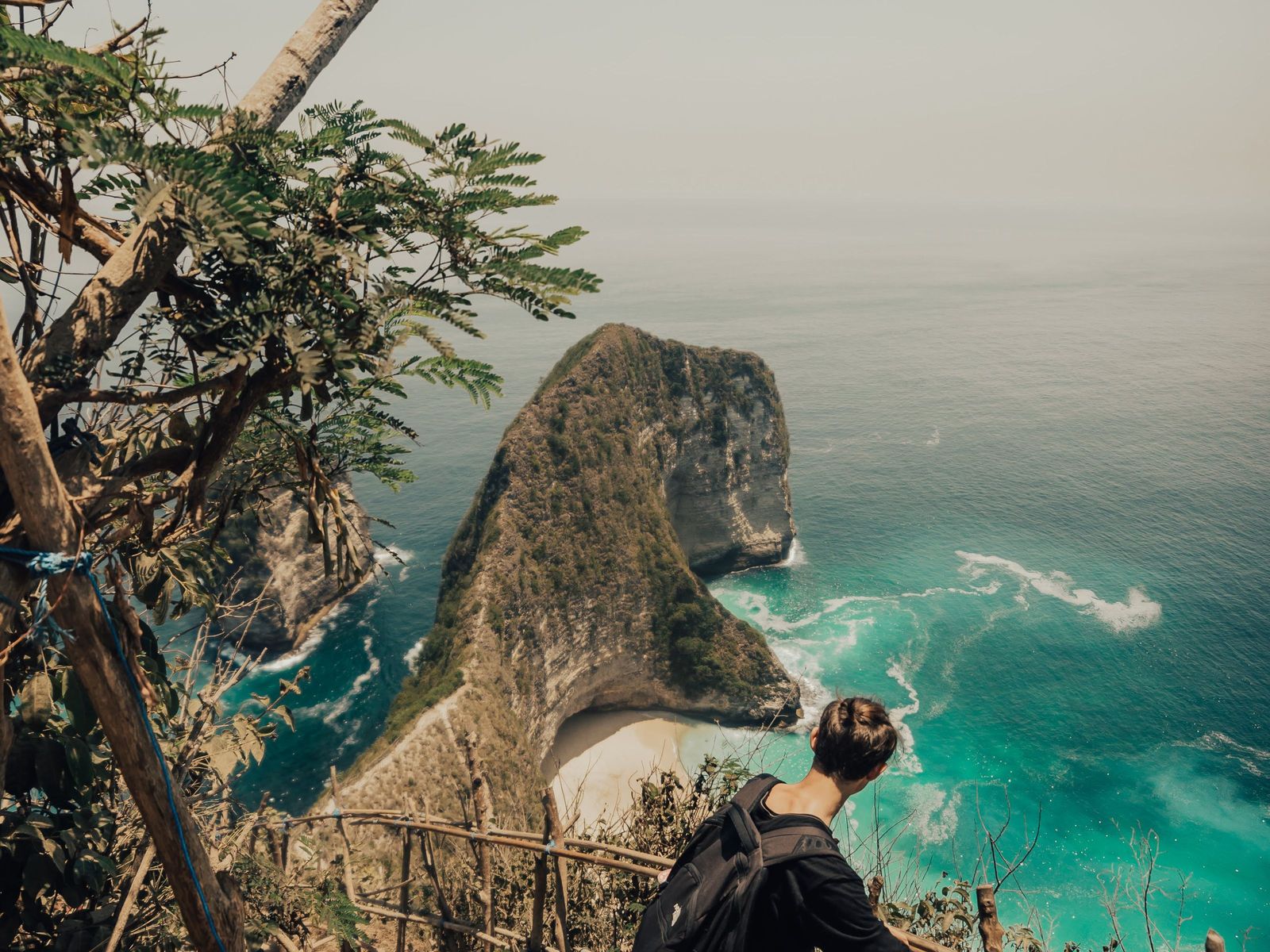
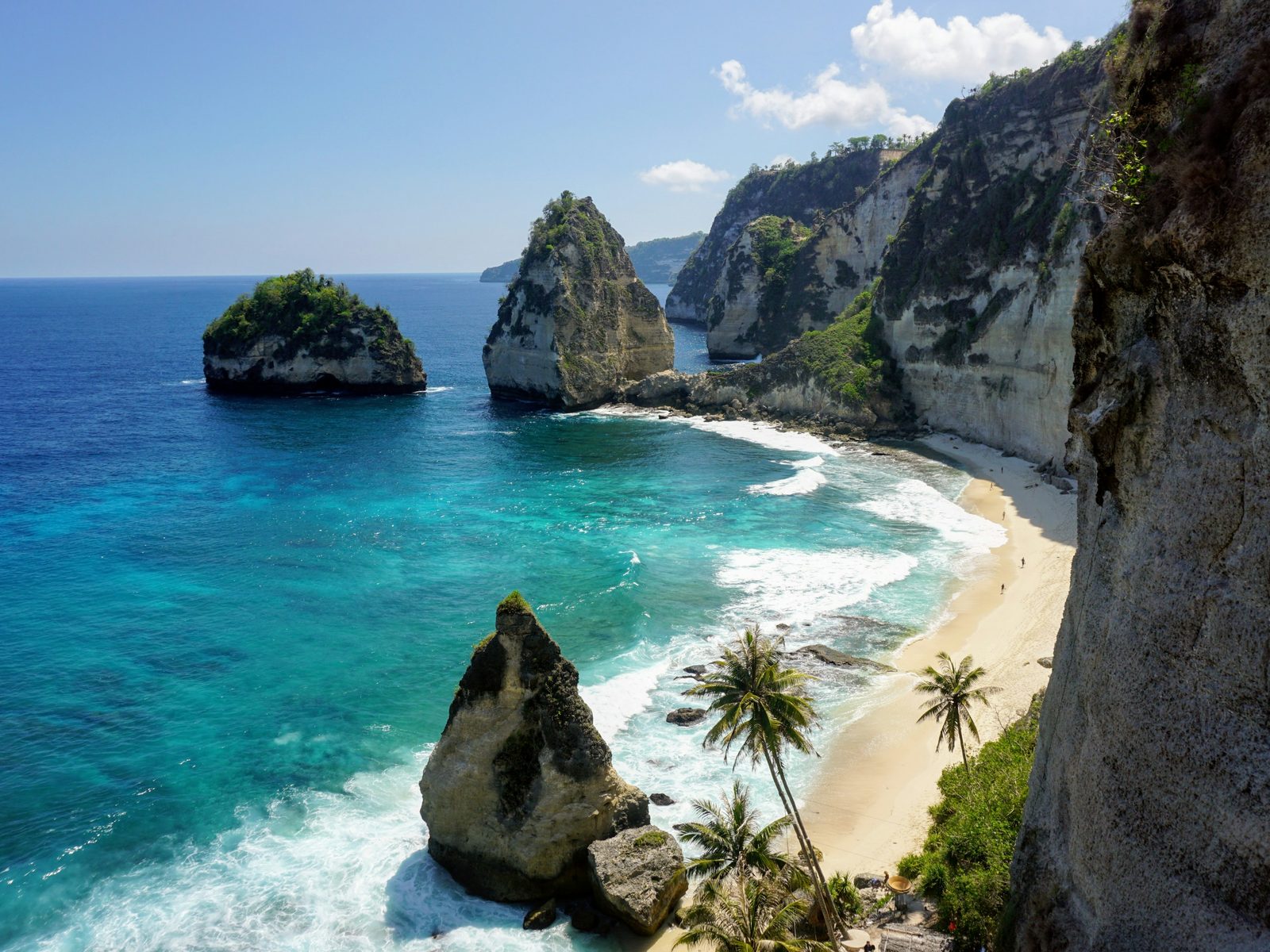
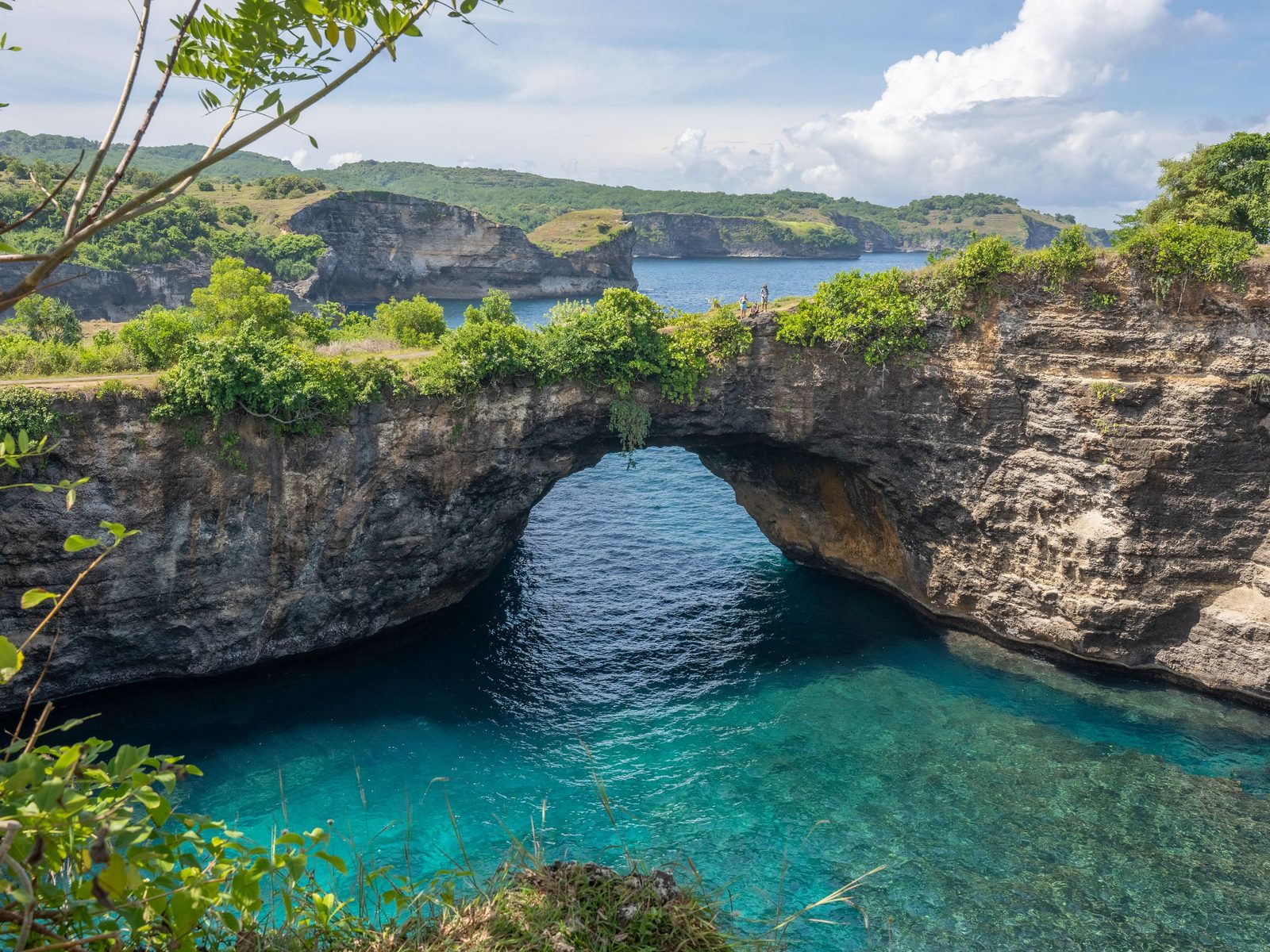
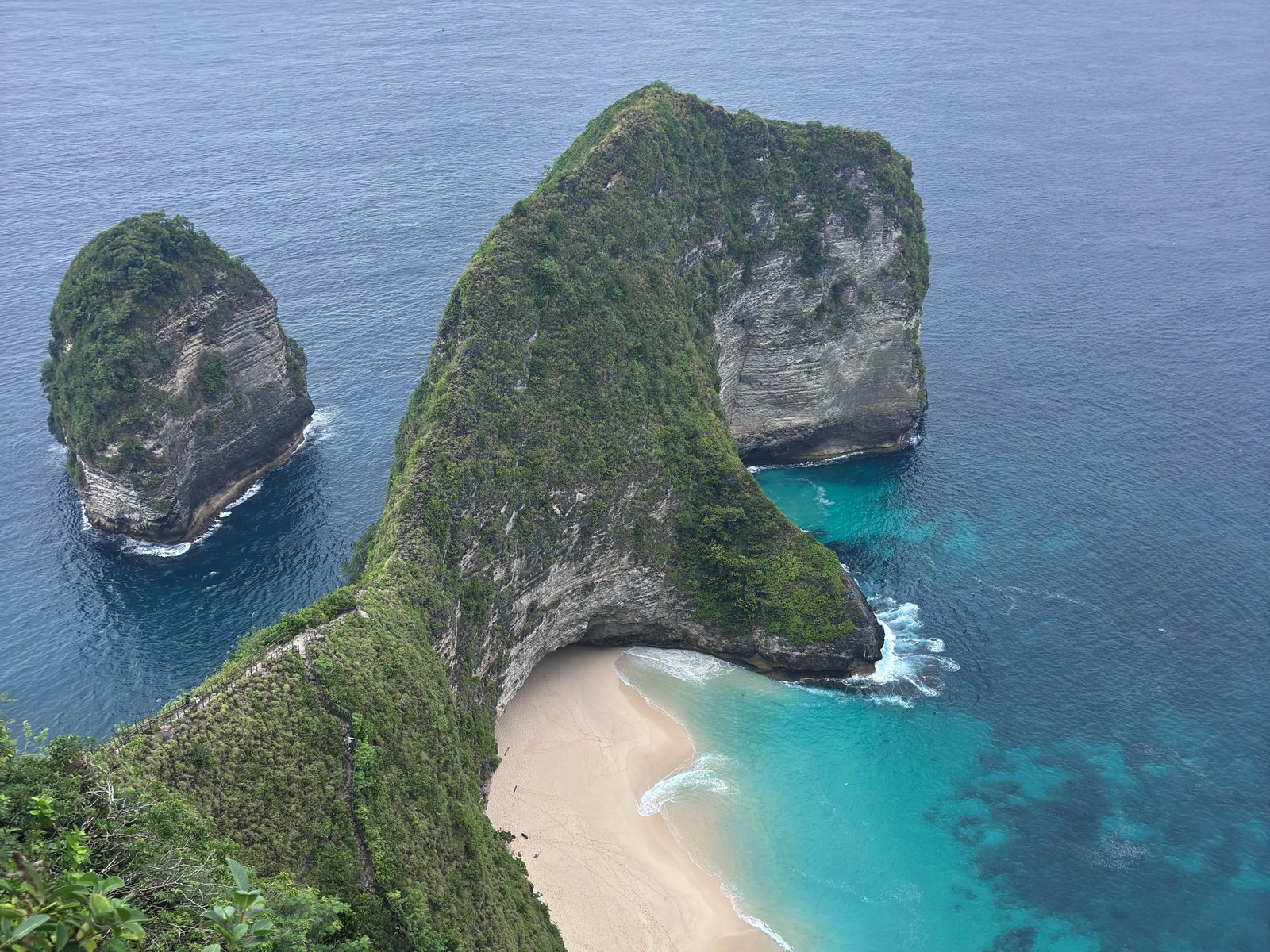
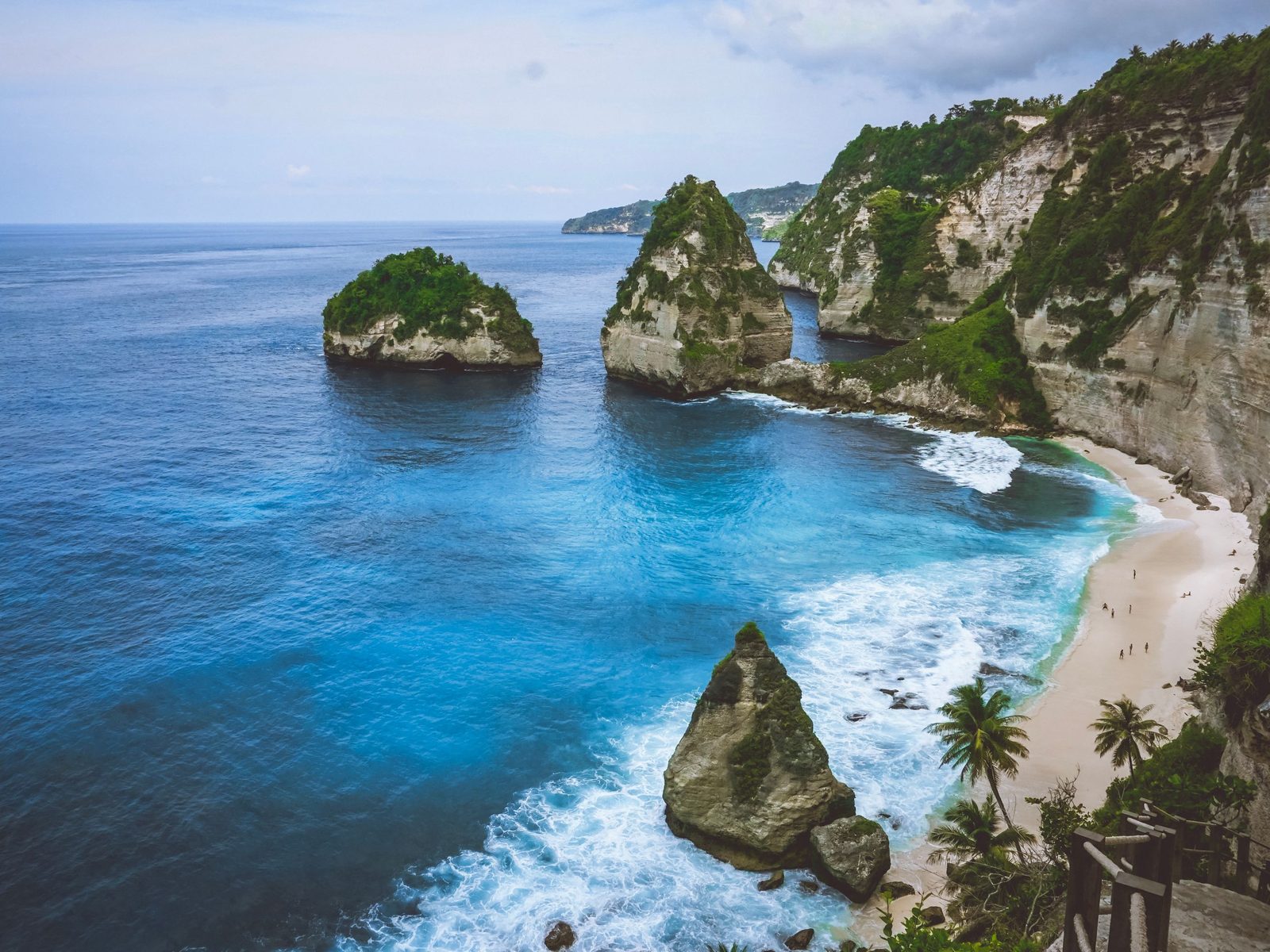
West Nusa Penida, a Private Day from Bali
East Nusa Penida, a Private Day from Bali
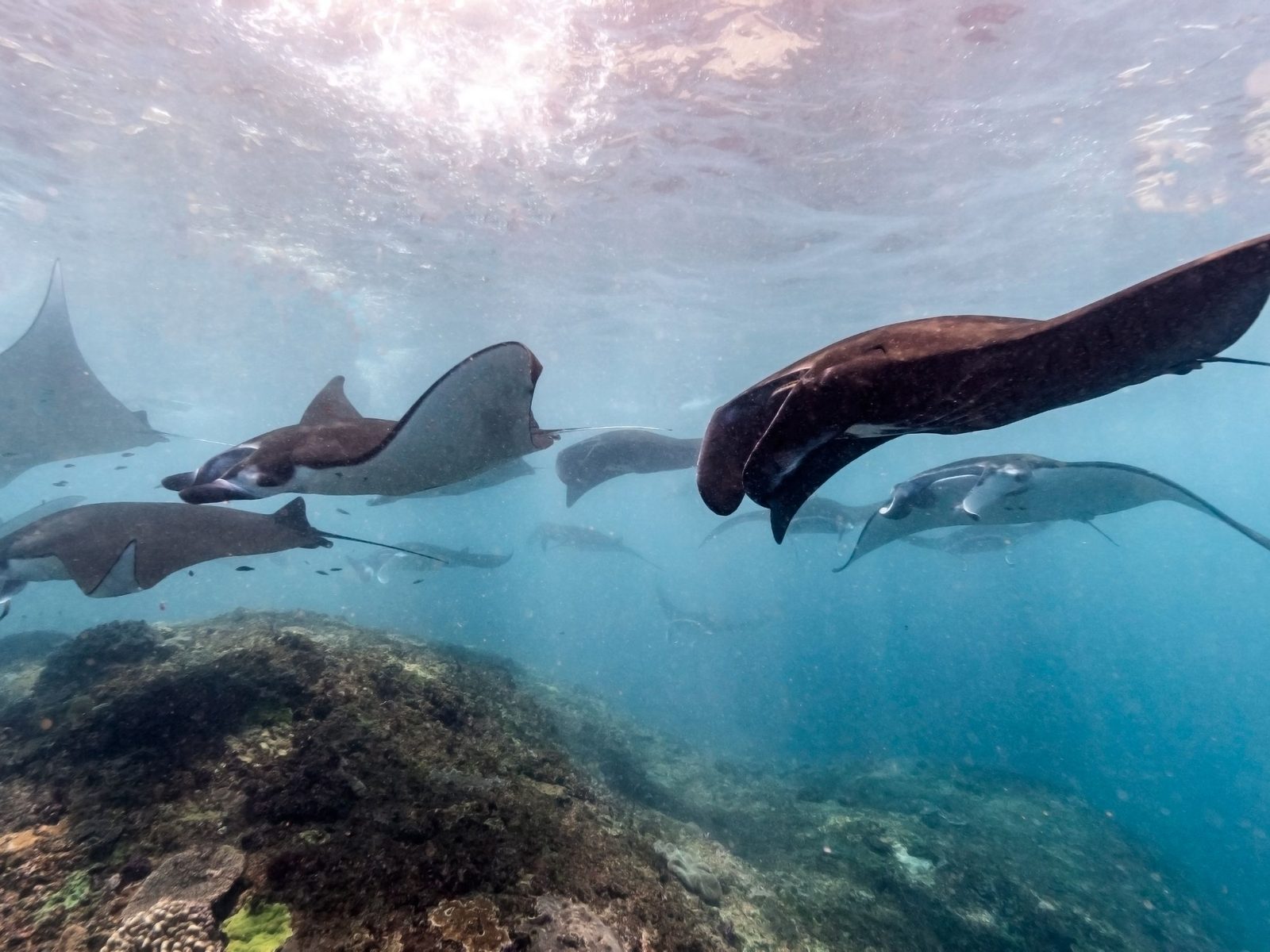
Mantas and Two Reefs by Private Boat
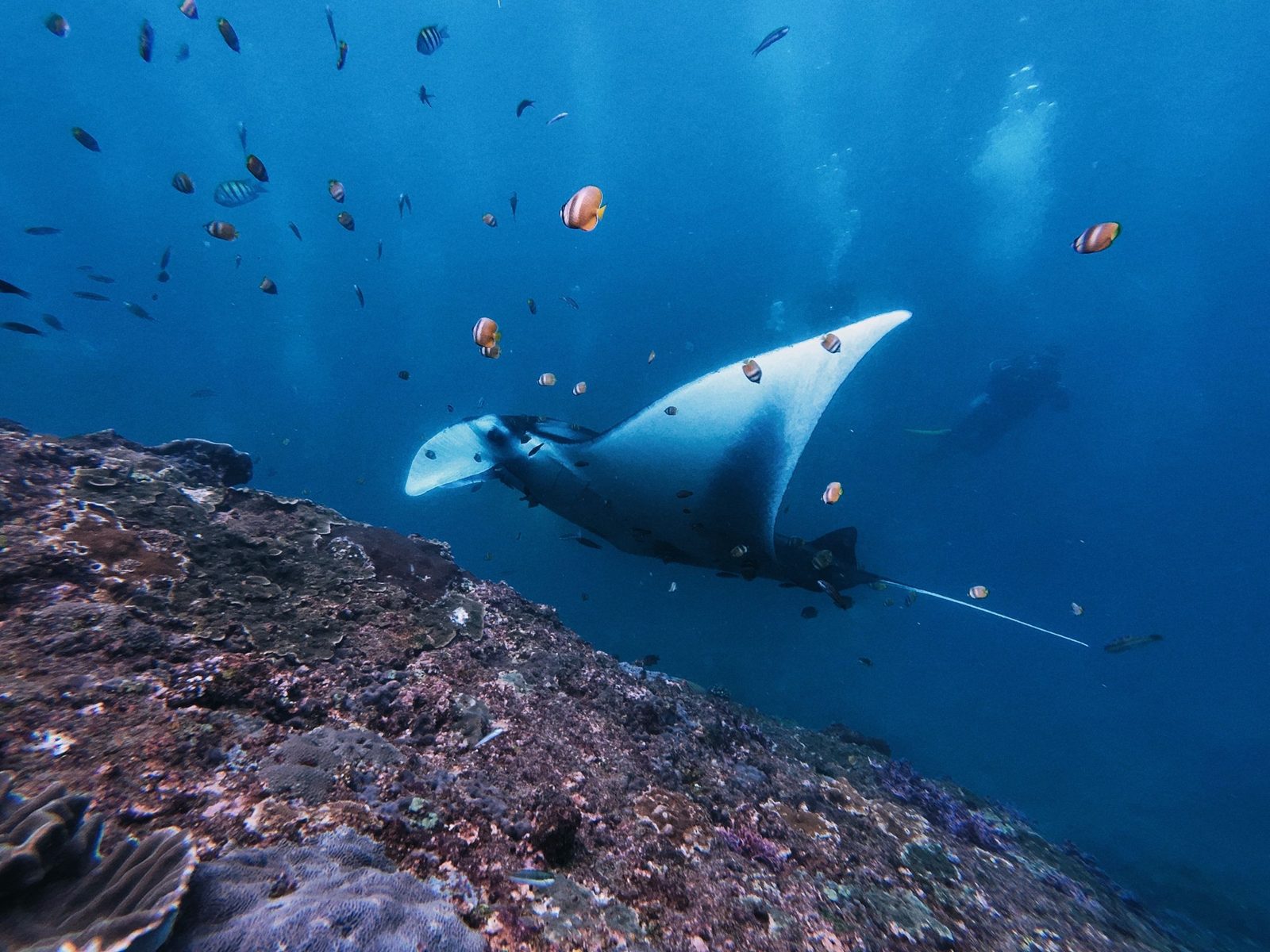
Manta Point and Crystal Bay Dives, for Certified Divers

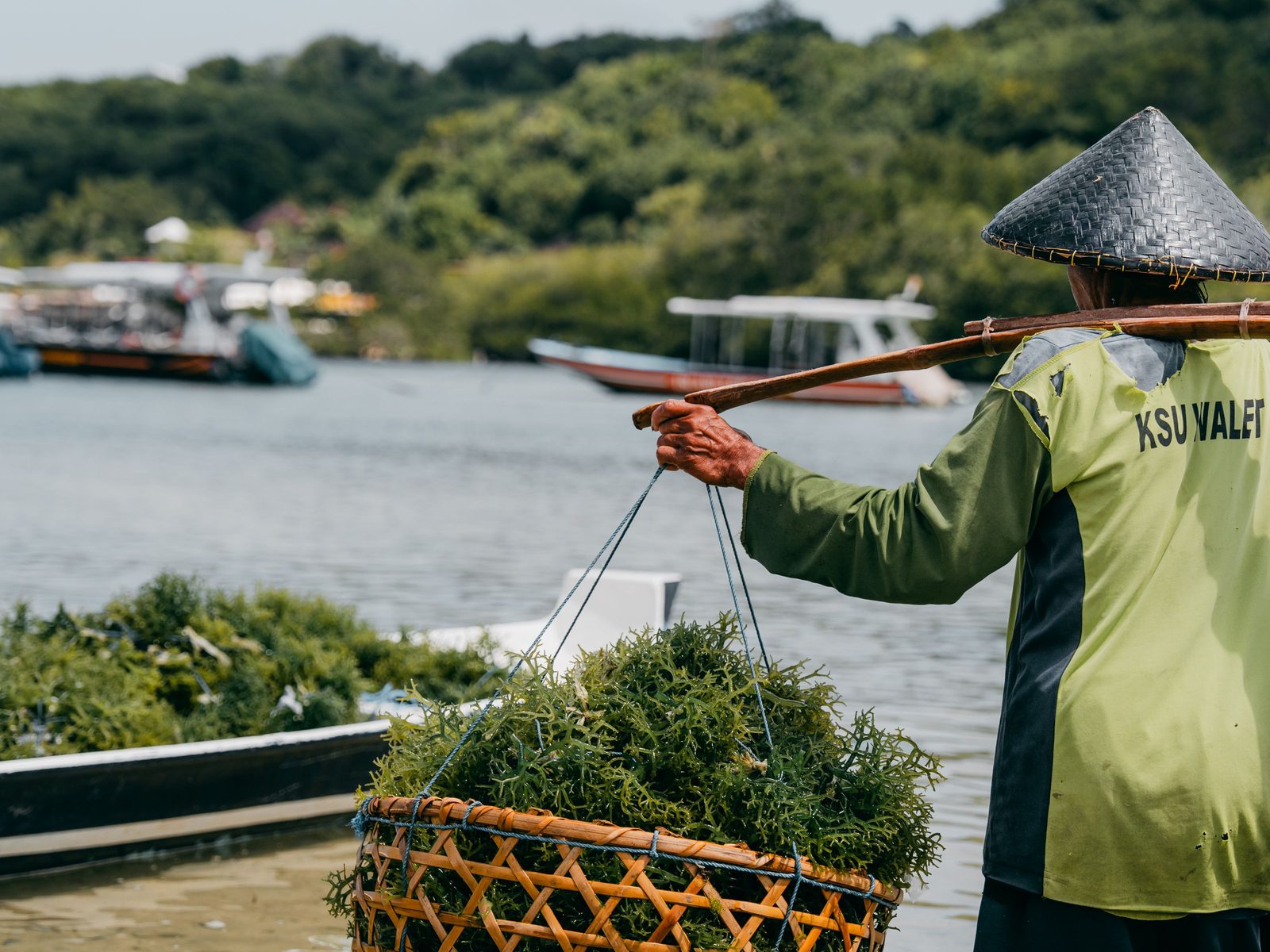
Temples, Cepuk Weaving and a Family Kitchen
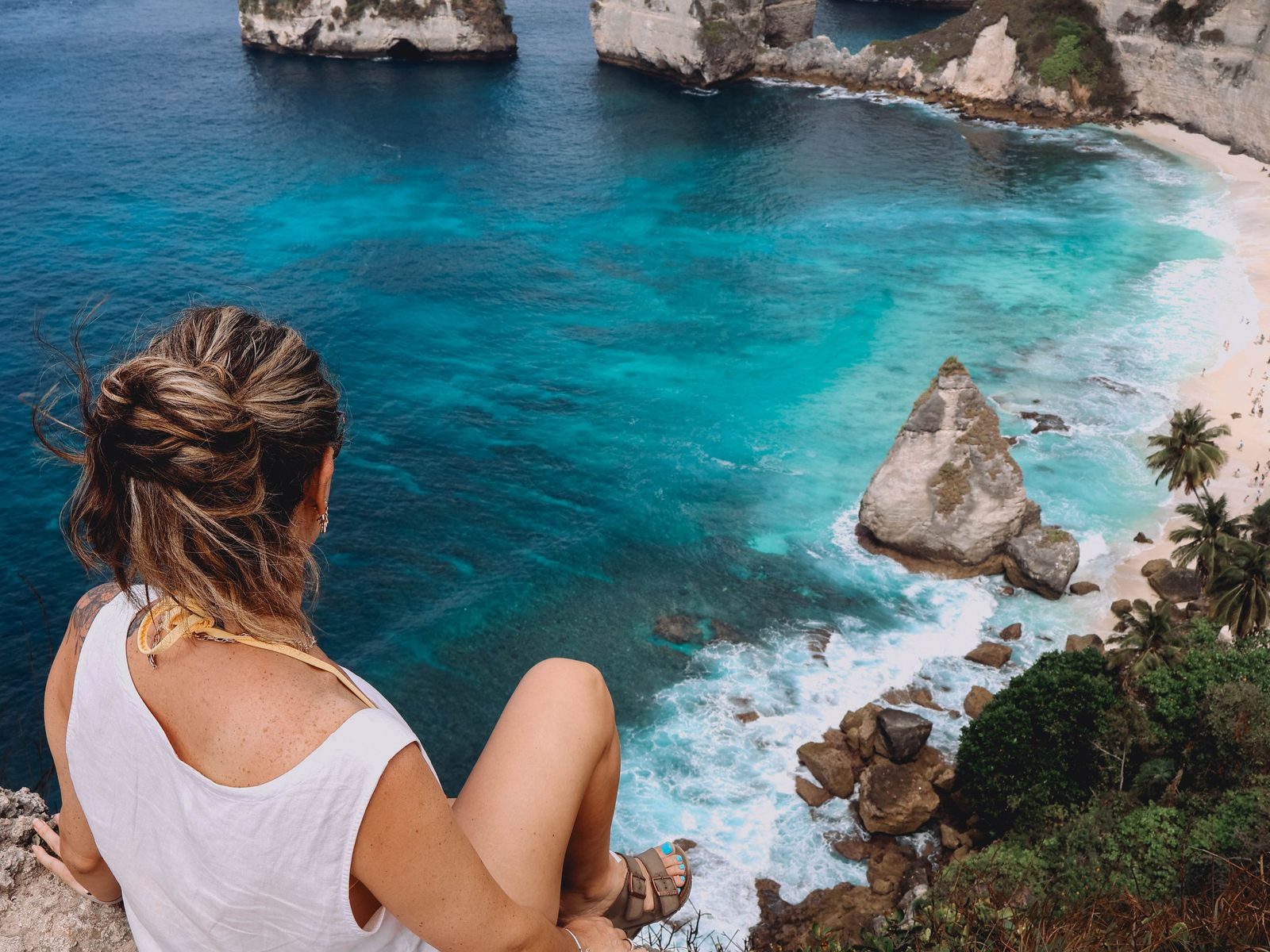
A Private Photographer at Diamond Beach
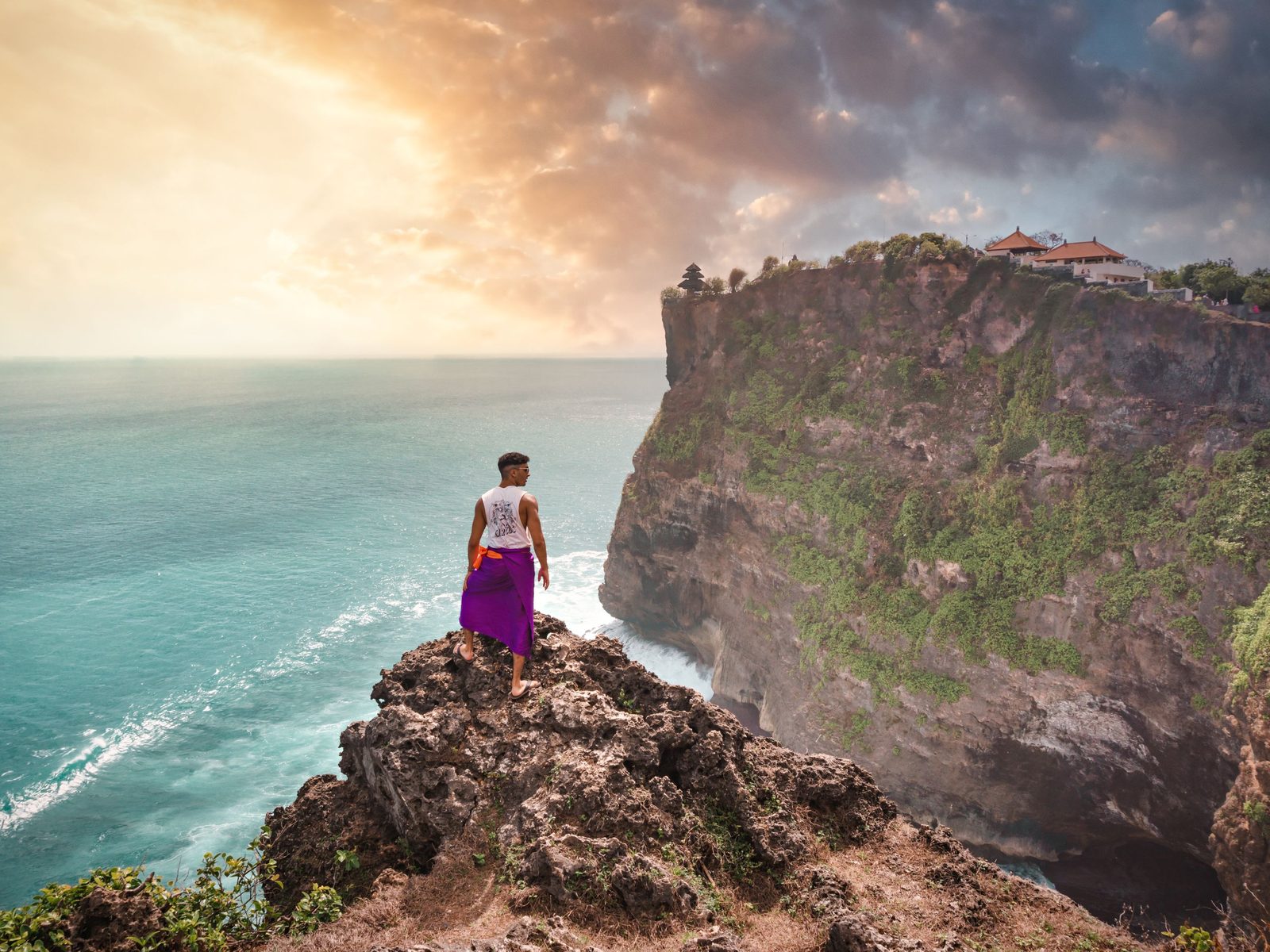
Uluwatu at Sunset: Temple, Kecak and Dinner
What private changes
Choosing a day
Speedboat or fast boat
Frequently asked questions
By boat from Sanur, on the south-east coast of Bali. A private speedboat takes about 40 minutes, a scheduled fast boat 30 to 45. There is no airport on the island and no bridge. Our getting here page has the details.
It can be. The Badung Strait is open water, and dry-season afternoons are often choppy. Sit towards the back, where the ride is gentler, and take a seasickness tablet beforehand if you need one. When the harbour authority closes the crossing, nobody sails, and we rearrange your day with you.
Yes. Since February 2024, foreign visitors to Bali pay a levy of IDR 150,000 per person, per visit, usually online before arrival. It is personal, so it is not included in our prices. The local fees charged on Nusa Penida itself are included in every trip.
Nyepi is the Balinese Day of Silence. For 24 hours, from six in the morning, Bali and the Nusa islands stop: no boats, no flights, no traffic, and guests stay in their hotels. It falls in March most years. If your dates touch it, we will plan around it.
April to October is the dry season, with more sunshine and calmer seas, and July and August are the busiest months. November to March brings showers, mostly in the afternoon, and greener hills. Mantas are seen through most of the year; the mola season runs roughly July to October.
You should be comfortable swimming in open water, which is often choppy at Manta Point. Buoyancy vests are on board, and your guide is in the water with you.
No. They are very likely through most of the year, but mantas are wild animals. If the swell closes Manta Point, the skipper moves to Manta Bay, which is more sheltered and also visited by mantas, or to reefs on the north coast.
Stay at least three metres away, never touch them, and do not chase them or dive down onto them. A touch strips the protective coating from their skin.
Usually around 26 to 29°C at the surface. From July to October, cold water rises from the deep and can drop below 20°C on some dive sites. We provide wetsuits, and divers get a 5 mm suit and hood.
Some sunscreen ingredients, including oxybenzone, harm coral. Choose a mineral sunscreen, or wear a rash vest and use less.